
 See Our Latest Article on HelloNation
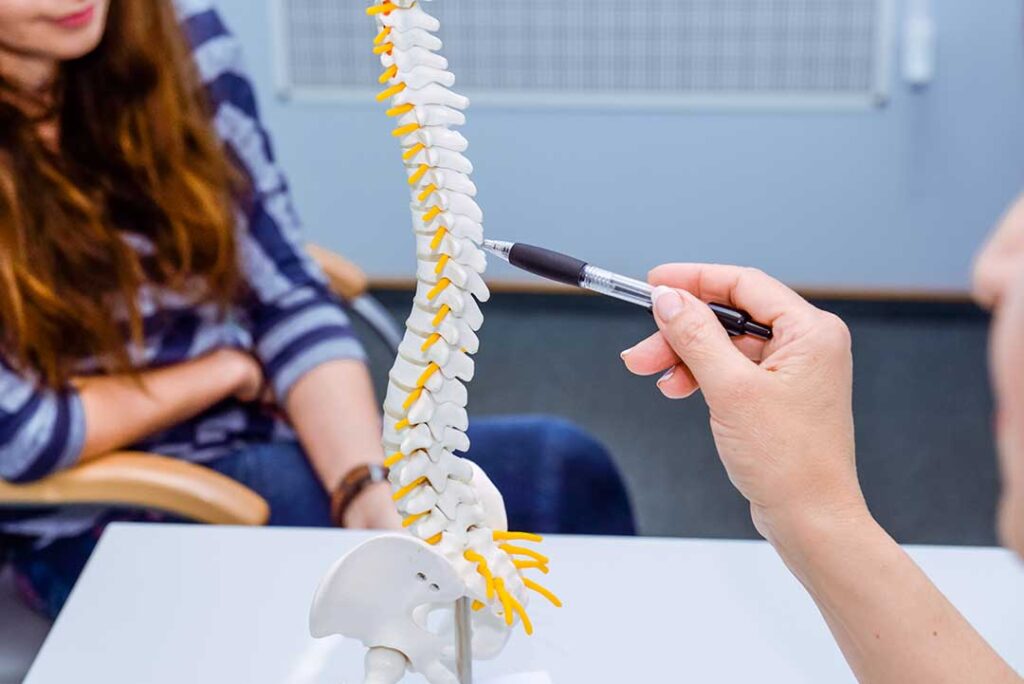
Residents in Great Neck, NY often encounter strong claims about chiropractic care—from promises that adjustments can “put bones back in place” to warnings that spinal manipulation is always dangerous. The reality is more specific: chiropractic techniques may help some musculoskeletal problems, but they are not appropriate for every condition or every person.
Understanding what treatment can and cannot do makes it easier to evaluate health information, ask useful questions, and recognize when another form of medical care is needed.
Myth: A spinal adjustment puts a displaced bone back into place
Usually, an adjustment does not return a vertebra to a permanently “out of place” position. The spine is a moving structure, and back or neck discomfort can involve muscles, joints, connective tissues, nerves, movement patterns, stress, or several factors at once.
Manipulation may influence joint motion and pain sensitivity, but the familiar popping sound does not prove that a bone has been repositioned. The sound generally comes from changes in gas pressure within a joint.
This distinction matters because the goal of care should be improved comfort, function, and movement—not creating dependence on the idea that the spine repeatedly becomes dislocated during ordinary activities.
Myth: Chiropractic care can treat nearly any health problem
The strongest evidence relates to some musculoskeletal complaints, particularly certain forms of low-back pain. Research reviewed by the National Center for Complementary and Integrative Health found that spinal manipulation can provide modest improvements in pain and function for some people with chronic low-back pain, with results broadly comparable to other recommended noninvasive treatments. ([nccih.nih.gov](https://www.nccih.nih.gov/health/spinal-manipulation-what-you-need-to-know?utm_source=openai))
That does not mean manipulation treats infections, cancer, diabetes, high blood pressure, asthma, or other internal diseases. Claims that spinal adjustments can replace appropriate medical treatment for these conditions are not supported by reliable evidence.
For headaches or neck discomfort, the situation is more complicated. Some people may report improvement, but the cause of symptoms matters. A headache related to muscle tension is different from one caused by infection, bleeding, dangerously high blood pressure, or another urgent condition.
Myth: More treatment is always better
A longer treatment plan is not automatically more effective. The appropriate amount of care depends on the diagnosis, severity, response to treatment, activity level, and personal goals.
A reasonable plan should be reassessed if symptoms are not improving as expected. Useful questions include:
- What condition is being treated?
- What changes should occur, and over what general time frame?
- What home activities, exercises, or work modifications may help?
- What findings would suggest that treatment should stop or change?
- Are there reasonable alternatives?
Residents managing pain while commuting, working at a desk, caring for family members, or dealing with winter-related slips and muscle strain may need a broader plan than hands-on treatment alone. Gradual activity, sleep, strengthening, and attention to ergonomics can all affect recovery.
Myth: The popping sound proves the treatment worked
Joint sounds are not a reliable measure of success. Some adjustments produce a popping sound, while others do not. A quieter technique can still be useful, and a loud sound does not necessarily mean that a painful area was corrected.
Better measures include:
- Walking, lifting, or turning more comfortably
- Improved range of motion
- Less interference with sleep or work
- Reduced need to avoid ordinary activities
- Progress that continues between visits

Pain can also fluctuate naturally. Feeling better immediately after treatment does not always indicate a long-term change, just as temporary soreness does not automatically mean that treatment caused harm.
Myth: Chiropractic manipulation is risk-free
Spinal manipulation is not risk-free, although common side effects are usually mild and short-lived. Temporary soreness, stiffness, headache, or increased discomfort may occur and often resolve within about 24 hours. Serious complications are considered very rare, but they have been reported. ([nccih.nih.gov](https://www.nccih.nih.gov/health/spinal-manipulation-what-you-need-to-know?utm_source=openai))
Neck manipulation deserves particular care. Sudden neck movements have been associated with rare cervical artery injuries that can lead to stroke, although research has not established in every case whether manipulation caused the injury. Neck pain itself may be an early symptom of an artery problem, which is one reason a careful health history and examination matter. ([nccih.nih.gov](https://www.nccih.nih.gov/health/spinal-manipulation-what-you-need-to-know?utm_source=openai))
Anyone considering treatment should mention relevant medical history, recent injuries, osteoporosis, bleeding disorders, cancer, infection, neurological symptoms, pregnancy, and medications that affect bleeding or bone health.
Myth: Chiropractic treatment is appropriate for everyone
People with new weakness, progressive numbness, loss of coordination, severe unexplained pain, fever, recent major trauma, or changes in bladder or bowel control need prompt medical evaluation rather than routine manipulation.
A sudden severe headache, facial drooping, trouble speaking, fainting, chest pain, or difficulty walking also requires urgent attention. These symptoms can signal problems unrelated to muscles or joints.
Children and teenagers require additional caution because research on spinal manipulation in younger age groups is limited, and rare but serious complications have been reported. ([nccih.nih.gov](https://www.nccih.nih.gov/health/children-and-the-use-of-complementary-health-approaches?utm_source=openai)) Pregnancy also calls for individualized discussion because research on safety and effectiveness remains limited.
Myth: X-rays or advanced scans are always necessary before care
Imaging is not automatically needed for ordinary, uncomplicated back pain. Scans can reveal age-related changes that are not causing symptoms and may lead to unnecessary worry or treatment.
Imaging becomes more relevant when there are warning signs, significant trauma, suspected fracture, infection, cancer, worsening neurological changes, or symptoms that do not follow an expected recovery pattern. The decision should be based on the history and examination, not simply on the availability of a machine.
Myth: Chiropractic care must be separated from regular medical care
Chiropractic care and medical care do not have to be competing systems. Musculoskeletal pain is often managed most effectively through coordinated care that may include exercise, physical rehabilitation, medication when appropriate, activity changes, and evaluation for non-musculoskeletal causes.
A patient should be able to understand the working diagnosis, expected benefits, possible risks, alternatives, and reasons for referral. Transparent communication is especially useful in a dense residential community where people may balance long workdays, household responsibilities, aging-related concerns, and seasonal activity changes.
What should a resident look for in trustworthy information?
Reliable health information usually avoids absolute promises. It explains what condition is being discussed, describes the strength and limits of the evidence, acknowledges risks, and identifies situations requiring a different type of care.
A practical standard is simple: treatment should be connected to a clear health concern, measured by meaningful functional improvement, and adjusted when the expected progress does not occur. Chiropractic manipulation may be one option for selected musculoskeletal problems, but it is neither a universal cure nor something that should be accepted or rejected based only on dramatic claims.
