
 See Our Latest Article on HelloNation

What Is Carpal Tunnel Syndrome and Who Gets It?
Carpal Tunnel Syndrome (CTS) is a common nerve issue caused by compression of the median nerve as it passes through the wrist. Residents of Great Neck, NY, familiar with daily routines involving computers, gardening, or household repairs may experience tingling, numbness, or pain in the hands and fingers. The condition affects adults of all ages, especially those who spend hours at desks, use power tools, or repeat hand movements.
CTS can develop gradually and sometimes goes unnoticed until symptoms start to impact daily activities like typing, cooking, or driving.
Can Carpal Tunnel Syndrome Be Improved Naturally?
For many people, mild to moderate symptoms can be reduced with lifestyle adjustments and self-care. Natural approaches focus on minimizing irritation to the nerve, reducing inflammation, and making everyday tasks less stressful on the wrists.
Before making changes, it’s important to confirm the diagnosis with a trusted healthcare provider to ensure symptoms aren’t caused by other conditions such as arthritis or diabetes.
What Daily Habits Reduce Carpal Tunnel Symptoms?
Making small adjustments in routine activities can make a noticeable difference for area residents struggling with wrist and hand discomfort. These strategies can be easily added to the routines of many local households:
- Take regular breaks from typing, handwriting, or crafting
- Use a light touch on keyboards and devices to avoid extra pressure
- Alternate tasks that require repetitive hand actions
- Maintain proper wrist position—keep wrists straight or only slightly bent, especially during computer work or when using utensils
For those in the city working from home, try arranging your workspace so wrists stay neutral while using the keyboard and mouse. Consider using a rolled towel as an improvised wrist support if commercial options aren’t available.
How Do Stretches and Gentle Exercises Help?
Stretching and movement keep blood flowing and help maintain flexibility. Consistency is key—gentle daily exercises can ease stiffness and promote faster healing:
- Wrist flexor stretch: Extend one arm, palm up, and gently pull fingers back with the other hand for 15 seconds.
- Median nerve glide: Hold your arm out, palm up, and slowly flex your wrist back and forth.
- Fist to open hand: Make a loose fist, then straighten the fingers wide and repeat 10–15 times.
Take care to move slowly and stop any exercise that increases pain or tingling. These movements are especially helpful for local residents after long hours of gardening, home repairs, or typing.
Can Home Remedies Reduce Swelling and Discomfort?
Natural remedies focus on minimizing inflammation and soothing discomfort. Community members often find simple home approaches effective for mild symptoms:
- Apply a cool compress or ice pack (wrapped in a towel) over the wrist for up to 15 minutes at a time
- Elevate the hand and wrist on a pillow when resting
- Avoid sleeping with wrists bent, which can irritate the nerve overnight—try a soft, breathable wrist splint if needed
- Practice hand and forearm massages, gently working muscles to relax tension
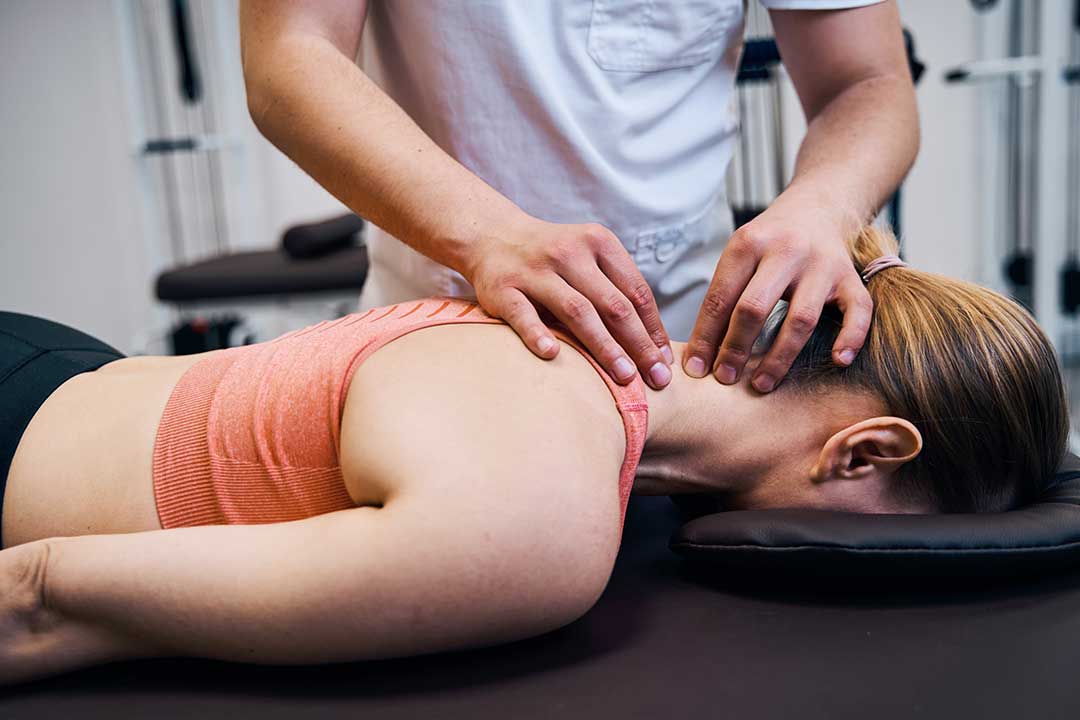
If swelling is an issue, reducing salt intake and drinking enough water throughout the day may help, especially for those experiencing fluid retention during humid or hot weather in the city.
Are There Overlooked Factors Worsening Carpal Tunnel Symptoms?
Household and work habits are key contributors. It’s common for local residents to overlook these factors:
- Carrying heavy shopping bags or backpacks by hand rather than with the arms or shoulders
- Using vibrating tools for DIY projects without taking frequent breaks
- Gripping cooking utensils, gardening tools, or sports equipment too tightly
Evaluating these daily activities, and making minor adjustments, can relieve pressure on the wrist and decrease symptom flare-ups.
When Should Residents Seek Further Evaluation?
While natural approaches are effective for most mild cases, certain signs suggest the need for prompt medical evaluation:
- Persistent numbness or weakness in the hand
- Difficulty gripping objects or trouble with fine motor skills
- Symptoms that worsen at night and fail to improve with home care
Early attention can prevent permanent nerve damage and improve long-term outcomes for community members.
Can Seasonal or Climate Considerations Affect Symptoms?
Fluctuating temperatures, typical of Great Neck’s seasons, may influence symptom severity. Cold weather can aggravate stiffness and slow blood flow to the hands, causing greater discomfort. Wearing lightweight gloves indoors or outdoors in winter and keeping hands warm can ease stiffness for local residents.
During periods of humidity or when doing outdoor work, maintaining hydration helps reduce water retention—which may limit swelling around the carpal tunnel.
